Bulk Retainer Cleaner Lead Times: Managing Your Supply Chain
For dental brands, pharmacy chains, and Amazon FBA sellers, running out of inventory is the ultimate business killer. A stockout does not just mean lost daily revenue; it causes your product rankings to plummet, frustrates loyal subscription customers, and damages your brand’s hard-earned reputation. In the fast-paced oral care industry, understanding and optimizing your bulk retainer cleaner lead times is just as critical as the formulation of the tablet itself.
Many new brand owners mistakenly believe that the manufacturing process—the actual chemical mixing and pressing of the effervescent tablets—is the longest part of the supply chain. In reality, lead times are dictated by a complex web of packaging customization, raw material procurement, quality control testing, and international freight scheduling.
Quick Summary for Sourcing Managers :
- Packaging is the primary bottleneck: Custom-printed foil pouches and retail boxes account for up to 60% of the total manufacturing lead time during an initial order due to printing cylinder creation.
- Certifications prevent customs delays: Working with a factory that holds ISO 13485, FDA, CE, and Sedex certifications ensures your shipments clear international borders without administrative holds.
- Strategic forecasting is non-negotiable: Procurement teams must factor in a 60 to 90-day buffer to account for ocean freight variations, port congestion, and seasonal factory closures like the Chinese New Year.
Whether you are placing your first trial order or scaling up to a million tablets a month, this guide will dissect every phase of the supply chain to help you manage your inventory seamlessly.
Understanding the Anatomy of Bulk Retainer Cleaner Lead Times
When a B2B supplier quotes a “lead time,” they are typically referring to the production lead time—the number of days from the moment your deposit is received and packaging artwork is approved, to the day the cargo is ready to leave the factory floor (often referred to as EXW or FOB terms).
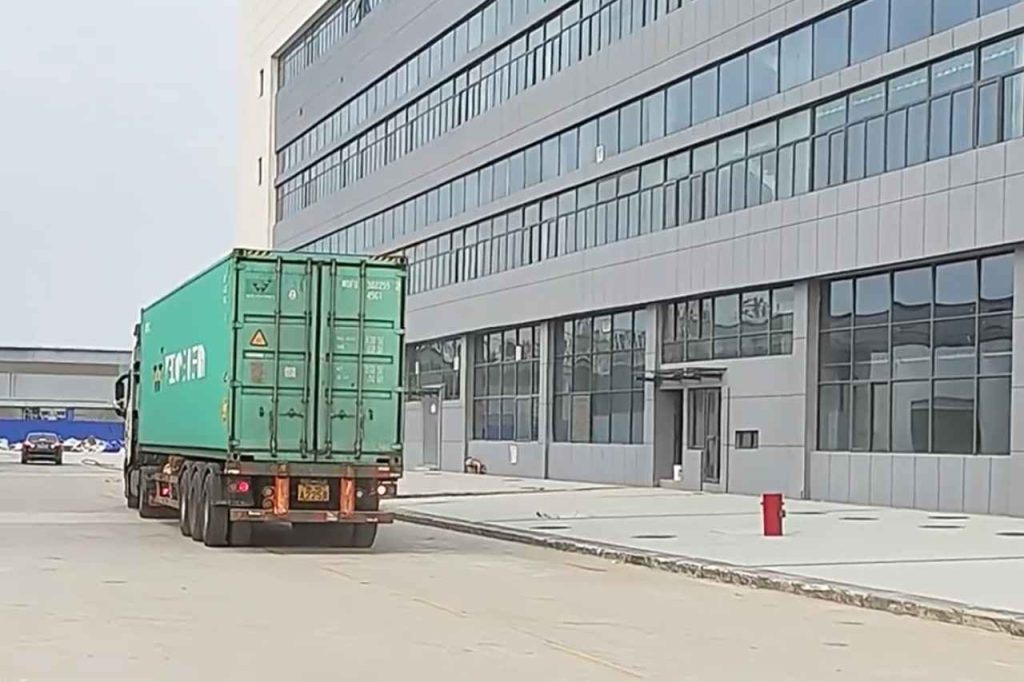
However, as a procurement manager, you must calculate the Total Delivered Lead Time. This comprehensive timeline includes order processing, raw material sourcing, packaging printing, mass production, quality assurance (QA) testing, domestic transit to the port, ocean or air freight, customs clearance, and final delivery to your 3PL warehouse or retail distribution center.
To manage your supply chain effectively, you must understand how many days each specific phase consumes.
The Timeline: From Order Placement to Factory Dispatch
Let us break down the standard production lead time for a custom OEM (Original Equipment Manufacturer) order of retainer cleaning tablets.
Phase 1: Raw Material Sourcing and Inbound QC (5-7 Days)
Before a single tablet is pressed, the factory must source the raw chemical compounds. High-quality retainer cleaners require specific grades of Sodium Percarbonate, biological enzymes, citric acid, and flavor extracts (like natural peppermint). While large-scale factories keep a safety stock of standard ingredients, highly customized formulas (e.g., specific dye-free or vegan requirements) may require special procurement.
Once the raw materials arrive at the facility, they cannot be used immediately. Under strict medical device manufacturing protocols, all inbound raw materials must undergo strict Quality Control (QC) laboratory testing to verify their purity, moisture content, and chemical stability.
Phase 2: Custom Packaging Manufacturing (15-20 Days)
This is the hidden bottleneck that catches many brand owners off guard. If you are ordering fully customized packaging, the timeline expands significantly.
- Custom Foil Pouches: To print your logo and branding on individual foil tear-packets, the packaging facility must create custom copper printing cylinders. This setup takes time. Once the cylinders are ready, the multi-layer aluminum foil is printed, laminated for moisture protection, and cut into rolls.
- Plastic Tubes and Caps: If your brand uses tubes, sourcing the exact Pantone color for the plastic and ensuring the desiccant caps (which absorb moisture) are properly fitted takes precision coordination.
- Retail Cartons: Printing, die-cutting, and folding the outer retail cardboard boxes requires additional days, especially if you use premium finishes like spot UV or foil stamping.
Industry Tip: For subsequent reorders, this phase is drastically reduced (often cut in half) because the printing cylinders and molds have already been created and paid for.
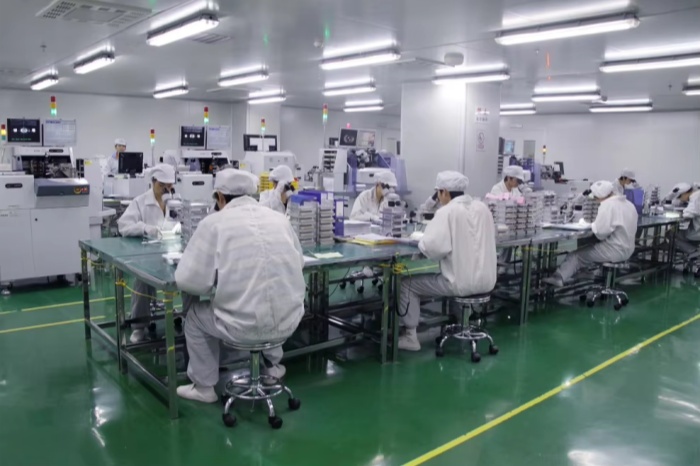
Phase 3: Tablet Pressing, Primary Packaging, and Assembly (7-10 Days)
Once the raw materials are cleared and the custom foil rolls are loaded onto the machines, the actual manufacturing begins.
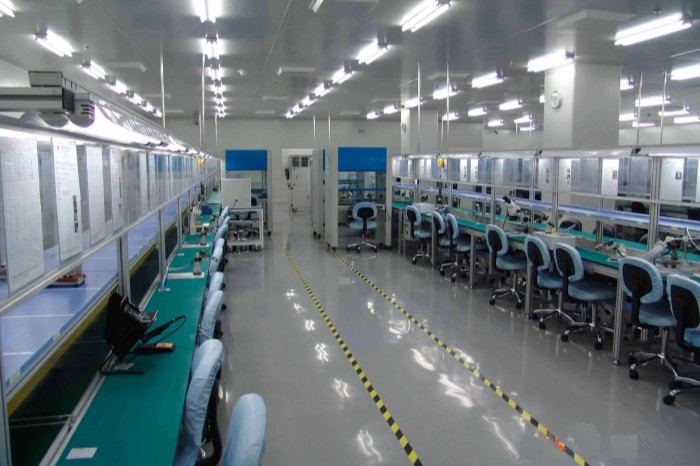
The chemical powders are mixed in climate-controlled, low-humidity environments to prevent premature effervescent reactions. High-speed rotary tablet presses stamp out thousands of tablets per minute.
Immediately after pressing, the tablets are fed into the automated packaging lines where they are sealed into their foils or dropped into tubes. Finally, workers or automated arms assemble the units into the retail boxes, pack them into corrugated master cartons, and shrink-wrap them onto shipping pallets.
Phase 4: Final QA Testing and Release (3-5 Days)
Before the pallets are loaded onto a shipping container, a compliant factory will perform a final round of outbound QA. This includes friability testing (ensuring tablets will not break during transit), dissolution testing, and microbiological checks. Once the batch passes, a Certificate of Analysis (CoA) is issued, and the goods are released for shipment.
White Label vs. Custom OEM: A Lead Time Comparison
If speed to market is your absolute top priority, you must decide between a White Label solution and a fully custom OEM solution. Here is how the bulk retainer cleaner lead times compare:
| Sourcing Strategy | Packaging Customization | Estimated Production Lead Time | Best For… |
| White Label (Fast Track) | Unprinted (silver) foil packets inside a custom-printed outer retail box. | 15 – 20 Days | Testing a new market, rapid Amazon launches, emergency inventory restocks. |
| Full Custom OEM (First Order) | Fully custom-printed foils/tubes, custom retail boxes, specific tablet coloring. | 30 – 45 Days | Establishing a premium brand identity, retail pharmacy chain distribution. |
| Full Custom OEM (Reorders) | Same customized specs as the first order (printing molds already exist). | 20 – 25 Days | Routine inventory replenishment, scaling existing successful product lines. |
Common Supply Chain Disruptions and How to Avoid Them
Even with the most efficient factory in the world, external factors can severely disrupt your bulk retainer cleaner lead times. Experienced procurement managers plan for these disruptions months in advance.
The Chinese New Year (CNY) Effect
If you are sourcing your dental tablets from China, the Chinese New Year is the single most disruptive event in the global supply chain. Typically occurring in late January or February, CNY causes factories, packaging suppliers, and logistics companies to shut down completely for two to three weeks.
To survive CNY without stocking out, you must place your Q1 inventory orders no later than early November. If you wait until December to place an order, your goods will likely not ship until late March.
Global Ocean Freight Volatility
Ocean freight from Asia to the US West Coast or Europe can take anywhere from 18 to 40 days, depending on port congestion, labor strikes, and shipping lane route changes. During peak seasons (like the lead-up to Black Friday/Cyber Monday), securing space on a container vessel becomes difficult. Always maintain a 30-day buffer stock in your domestic warehouse to absorb unexpected port delays.
Why Factory Certifications Matter for Fast Customs Clearance
One of the most frustrating causes of delayed lead times happens not at the factory, but at the border. When importing dental cleaning products, customs agents are highly vigilant. If your documentation is incomplete or your manufacturer lacks the proper credentials, your shipping container will be flagged, held for inspection, or even rejected.
Partnering with a globally certified manufacturer directly mitigates this risk. When you source from a facility that prioritizes compliance, your cargo moves through customs smoothly.
For instance, our manufacturing processes are strictly governed by ISO 13485 medical device quality management standards. We are fully FDA registered to facilitate seamless entry into the United States, and our products meet the stringent requirements for CE certification in Europe. Furthermore, we proudly hold Sedex certification, assuring European and North American buyers that our supply chain adheres to the highest ethical labor and health standards.
When a customs officer sees a Bill of Lading backed by FDA, CE, and ISO 13485 documentation, clearance is expedited. Missing these certifications can turn a standard 30-day transit time into a 90-day legal nightmare. To see our full compliance profile, visit our factory capabilities page.
Proactive Inventory Management for Dental Brands
To master your supply chain, you must shift from reactive purchasing to proactive forecasting. Follow these B2B best practices:
- Calculate Your Reorder Point: Understand your average daily sales velocity. If you sell 100 boxes a day, and your total delivered lead time (production + ocean freight) is 60 days, your absolute minimum reorder point is 6,000 boxes.
- Order in Economic Batch Quantities: Freight costs are drastically reduced when you order full pallets or Full Container Loads (FCL). Consolidating your orders saves money and reduces the administrative burden of tracking multiple smaller shipments.
- Share Your Annual Forecasts: Treat your manufacturer as a partner. If you provide us with a 6-month sales forecast, we can preemptively stock your specific raw materials and reserve machine time for your brand, shaving precious days off your bulk retainer cleaner lead times.
Secure Your Supply Chain with a Reliable Manufacturing Partner
In the highly competitive oral care market, your supply chain is your ultimate competitive advantage. You need a manufacturing partner that delivers uncompromising quality exactly when you need it, with transparent communication at every step of the production process.
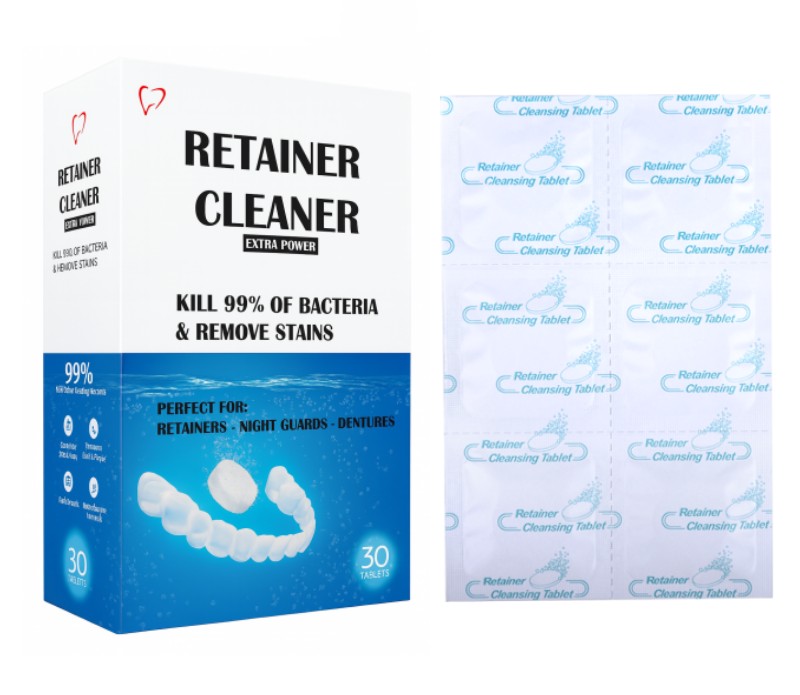
At ITS Dental Care, we specialize in high-capacity, on-time production of premium retainer and aligner cleaning tablets. With our ISO 13485, FDA, CE, and Sedex certifications, we guarantee that your products are not only safe and effective but also fully compliant for rapid global import.
Stop worrying about stockouts and take control of your lead times. * Visit our About page to learn more about our automated production facility and strict quality control measures.
- Explore our customizable formulations on our Products page.
Ready to streamline your supply chain? Contact our B2B procurement team today for a custom wholesale quote, an accurate lead time estimate, and free white-label samples for your brand.
FAQ for B2B Procurement Managers: Optimizing Your Supply Chain
Q1: If our Amazon sales suddenly spike by 300%, can you expedite our production lead time without sacrificing the quality assurance (QA) process? A: We can accelerate the mechanical production, but we will never rush the QA process. By adding extra shifts and utilizing our high-speed rotary presses, we can scale the physical manufacturing rapidly. However, mandatory safety protocols—such as the 48-to-72-hour microbiological incubation period and dissolution stability testing—have fixed chemical timeframes that cannot be bypassed.
- Industry Tip: To mitigate sudden demand spikes without waiting 30 days, negotiate a “Rolling Raw Material Agreement” with your OEM. At ITS Dental Care, we can hold a safety stock of your specific chemical powders and custom packaging. When a spike hits, you only wait for the pressing and assembly phases, cutting your lead time by up to 50%.
Q2: Even with your FDA and ISO 13485 certifications, why might our bulk shipment still face delays at customs, and how do we prevent this? A: When certified shipments get held up, it is almost always due to a paperwork mismatch, specifically an incorrect Harmonized System (HS) code or a discrepancy between the commercial invoice and the physical product label. Certifications prove the factory is compliant, but the importer of record is responsible for how the goods are declared.
- Industry Tip: Implement a strict “Pre-Shipment Document Review.” Always mandate that your factory sends the Commercial Invoice, Packing List, and Certificate of Analysis (CoA) for your logistics broker to review at least 7 days before the vessel departs. This allows you to correct any clerical errors before the cargo reaches the border.
Q3: We want to start with a White Label order to save time, but eventually transition to full Custom OEM. Will this transition disrupt our supply chain? A: Not if it is orchestrated correctly. The transition only causes delays if you wait until you are out of White Label stock to begin the custom design phase. The printing cylinders for custom foils take up to 20 days to manufacture before any tablets are even pressed.
- Industry Tip: Initiate your custom packaging mold and cylinder creation during your second White Label production run. By overlapping the packaging setup time with your active sales period, your custom materials will be sitting on our factory floor, ready for immediate pressing the moment you place your first full OEM order.
Q4: How do we accurately calculate our Q1 order volume to survive the Chinese New Year (CNY) shutdown without over-leveraging our cash flow? A: You must calculate a 90-day forward-looking inventory buffer starting from January 15th. Because the factory, port, and logistics networks effectively halt for three weeks in February, any order placed in December will likely be caught in the backlog.
- Industry Tip: To protect your cash flow, utilize a “Split-Shipment Strategy.” Place your massive Q1 order in early November, but instruct the factory to ship 40% via expedited ocean freight before the CNY cutoff, and hold the remaining 60% in the factory’s warehouse to ship immediately after the holiday ends. This secures your inventory while deferring the final freight and customs duty costs.
You may also interested in: