How Long Should You Wear a Retainer?
Congratulations! After months or even years of wearing braces or clear aligners, you have finally achieved that perfect, straight smile. The hard work is over, the brackets are off, and you can finally run your tongue over smooth teeth. But before you completely close this chapter of your orthodontic journey, there is one final, crucial step: wearing your retainer.
The most common question orthodontists hear from patients who just finished their treatment is: “How long should I wear a retainer?” The short answer? For the rest of your life. The long answer? It depends on your specific treatment, the type of retainer you have, and how your teeth naturally shift over time. In this comprehensive guide, we will dive deep into the science behind why teeth move, provide a detailed timeline for retainer wear, explain exactly what happens if you skip wearing them, and share expert tips on how to keep your retainer clean and hygienic using the best solutions from ITS Dental Care Products.

Why Do You Need to Wear a Retainer? The Science of “Teeth Memory”
To understand why a retainer is necessary, you have to understand how braces and aligners work in the first place. Your teeth are not set rigidly in your jawbone like a post in concrete. Instead, they are suspended by a hammock-like structure called the periodontal ligament.
When you wear braces, gentle, continuous pressure is applied to your teeth. This pressure causes the bone on one side of the tooth root to break down (resorption) and new bone to form on the other side (deposition). This process allows your teeth to move into their new, perfectly aligned positions.
However, once the braces are removed, the bone and the periodontal ligaments need time to stabilize and solidify around the new tooth positions. More importantly, your teeth have something akin to “elastic memory.” The ligaments have been stretched, and if left completely alone immediately after treatment, they will naturally try to pull the teeth back to their original, crooked positions. This phenomenon is known as orthodontic relapse.
Furthermore, as we age, a natural process called mesial drift occurs. This means our teeth naturally tend to shift forward and crowd together toward the front of the mouth, regardless of whether you have had braces or not. A retainer is your only defense against both orthodontic relapse and natural aging shifts.
How Long Should You Wear a Retainer? The Wear Time Schedule
While the ultimate goal is lifetime wear, the frequency of how often you need to wear your retainer changes over time. Your orthodontist will give you a specific schedule based on your unique mouth, but here is the standard, widely accepted timeline in the orthodontic community.
Phase 1: The First 3 to 6 Months (Full-Time Wear)
Immediately after your braces come off, your teeth are at their most vulnerable. The bone surrounding them is still soft. During this critical period, you will typically need to wear your removable retainer full-time.
- Hours per day: 20 to 22 hours.
- When to take it out: Only when eating, drinking anything other than plain water, brushing your teeth, or playing contact sports.
- The Goal: To allow the jawbone to rebuild and solidify around the new positions of your teeth roots.
Phase 2: 6 Months to 12 Months (Transition to Nighttime Wear)
Once your orthodontist determines that your bone has sufficiently stabilized, you will get the green light to reduce your wear time. For most patients, this happens around the 3 to 6-month mark.
- Hours per day: 8 to 10 hours (while sleeping).
- The Goal: To prevent daytime shifting while your teeth continue to settle into their permanent bite.
Phase 3: 1 Year and Beyond (Lifetime Maintenance)
After the first year, you enter the maintenance phase. Does this mean you can throw your retainer away? Absolutely not. To guarantee your teeth stay straight forever, you must make your retainer a permanent part of your nighttime routine.
- Hours per day: Every night while sleeping.
- Long-term adjustments: After several years of consistent nighttime wear, some adults find they can maintain their smile by wearing their retainer every other night, or 3-4 nights a week. However, never make this adjustment without testing it. If the retainer feels tight when you put it on after skipping a night, your teeth are shifting, and you need to go back to every-night wear.
The Different Types of Retainers
The lifespan and wear schedule can also depend slightly on the type of retainer you have.
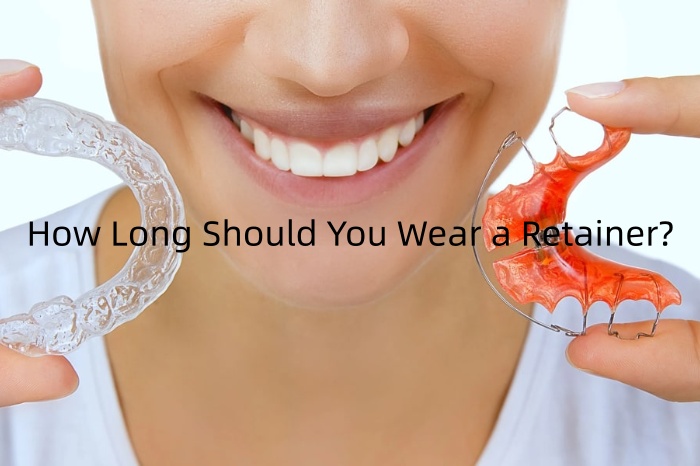
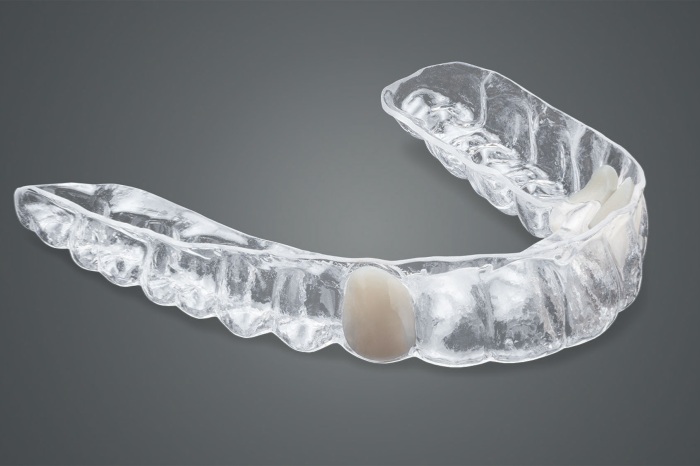
1. Clear Plastic Retainers (Essix or Vivera) These are the most popular type today. They look exactly like clear aligners (such as Invisalign). They are custom-molded to fit snugly over your teeth, making them virtually invisible.
- Lifespan: 1 to 3 years. They can stretch out, warp, or crack over time.
2. Hawley Retainers The traditional retainer. Made of a hard acrylic molded to the roof of your mouth or the inside of your lower teeth, with a visible metal wire running across the front of your teeth.
- Lifespan: Very durable. They can last 5 to 10 years or more if properly cared for. The wire can be adjusted by your orthodontist to make slight corrections.
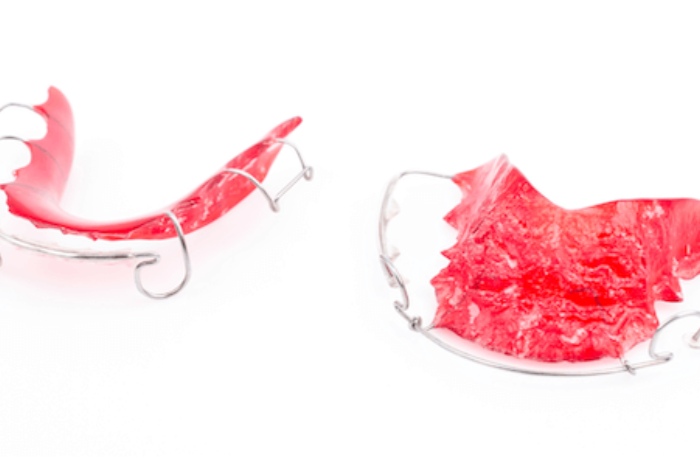
3. Permanent (Fixed) Retainers A thin, custom-fitted metal wire bonded directly to the back of your front teeth (usually the bottom 6 teeth). You do not remove this yourself.
- Lifespan: Can last indefinitely, but the composite glue can break, requiring repair. You must still wear a removable retainer over it at night for full arch protection.
What Happens If You Stop Wearing Your Retainer?
Human nature often gets the best of us. You go on vacation and forget your retainer, or you just get tired of the routine. What is the real danger?
- Micro-Shifting: Within just a few days to a week of not wearing your retainer, your teeth will begin to micro-shift. You won’t see it in the mirror, but you will feel it. When you finally put your retainer back in, it will feel extremely tight and cause discomfort.
- Visible Relapse: After a few months of neglect, your teeth will visibly move. Gaps may reopen, and front teeth may begin to overlap.
- Wasted Investment: Orthodontic treatment costs thousands of dollars and takes years of patience. Stopping your retainer wear essentially throws that time and money down the drain. If the relapse is severe, your retainer will no longer fit, and you may require a second round of braces or aligners to fix the damage.
How to Clean Your Retainer (And Why It Matters)
One of the biggest reasons people stop wearing their retainers is because the device becomes cloudy, foul-smelling, or covered in white hard spots. A dirty retainer is a breeding ground for bacteria, plaque, and tartar. Putting a bacteria-laden piece of plastic into your mouth for 8 hours every night can lead to bad breath, cavities, and gum disease.
To ensure your retainer lasts its full lifespan and stays hygienic, you need a strict cleaning protocol. At ITS Dental Care, we are dedicated to providing the ultimate solutions for maintaining your oral appliances.
The Daily Cleaning Routine
You should clean your retainer every single time you take it out of your mouth.
- Rinse Immediately: The moment you take it out, rinse it under lukewarm water. This washes away saliva before it has a chance to dry and form hard white calcium deposits (tartar).
- Brush Gently: Use a soft-bristled toothbrush (separate from the one you use for your teeth) to gently brush the inside and outside of the retainer.
- What NOT to use: Never use regular toothpaste on clear plastic retainers. Toothpaste is abrasive and will create microscopic scratches in the plastic. These scratches make the retainer look cloudy and create perfect hiding spots for odor-causing bacteria. Never use hot water, as it will instantly warp and ruin the plastic.
The Deep Cleaning Routine
Brushing alone is not enough to kill bacteria and remove stubborn microscopic plaque. You need to deep clean your retainer at least 2 to 3 times a week.
This is where ITS Dental Care products make all the difference. To keep your retainer crystal clear, fresh, and free from harmful buildup, we highly recommend incorporating our specialized appliance cleaning solutions into your routine.
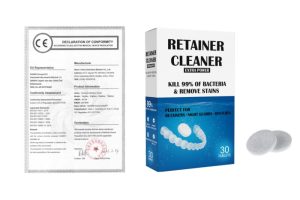
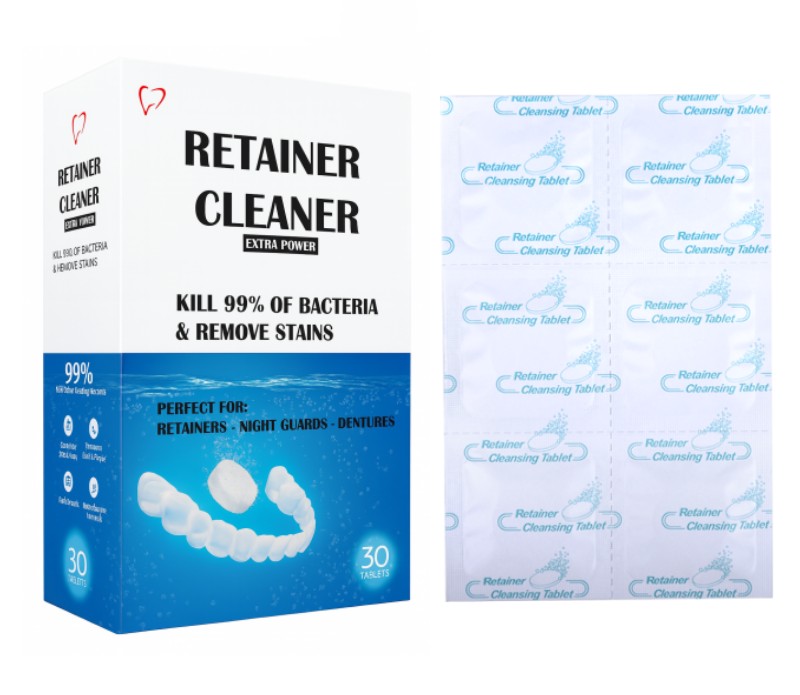
- Soak with Purpose: Instead of using harsh household chemicals, drop your retainer into a glass of lukewarm water with an Retainer Cleaning Tablet. Our formula is specifically designed to safely break down plaque, kill 99.9% of odor-causing bacteria, and remove stains without damaging the delicate materials of Essix or Hawley retainers.
- Use an Ultrasonic Cleaner: For the absolute highest standard of cleanliness, pair your cleaning tablets with an Ultrasonic Cleaner. The microscopic bubbles generated by ultrasonic waves penetrate the tiny crevices of your retainer that a brush simply cannot reach, vibrating away stubborn calcium deposits and leaving your retainer feeling brand new. The best is to use it with ultrasonic cleaner tablets.
- Rinse Thoroughly: After a 15-minute soak, rinse the retainer thoroughly with cool water before placing it back in your mouth or into its protective case.
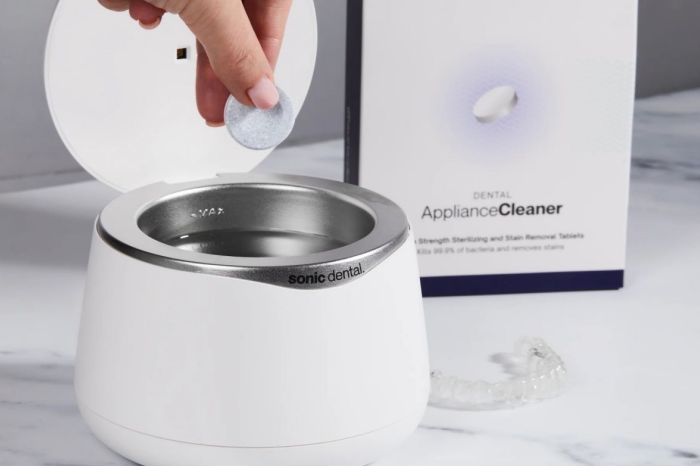
By investing in proper cleaning tools, you protect not only your retainer but also your oral health.
Signs It Is Time to Replace Your Retainer
Nothing lasts forever. Even with the best care and daily cleaning using ITS Dent Care products, clear plastic retainers eventually wear out. You should contact your orthodontist for a replacement if you notice:
- Cracks or chips: Even a small hairline crack compromises the structural integrity of the retainer, meaning it can no longer hold your teeth in place effectively.
- Cloudiness or severe calcium buildup: If it remains white and cloudy even after an ultrasonic cleaning, the material has degraded.
- Looseness: If the retainer falls out easily while you sleep or feels loose when you put it on, it has stretched out and is no longer providing the necessary tension to keep your teeth straight.
- It feels too tight: If you have been wearing it consistently but it suddenly feels painfully tight, your retainer may have warped from heat exposure.
Frequently Asked Questions (FAQs) About Retainers
To give you complete peace of mind, we have answered the most common questions our community asks about retainer wear.
1. Can I wear my retainer only 2 or 3 nights a week? You should only attempt this after you have been wearing your retainer every night for at least a year, and preferably after consulting your orthodontist. If you drop to 3 nights a week and the retainer feels very tight when you put it in, your teeth are shifting. You must return to nightly wear immediately.
2. What should I do if my retainer feels incredibly tight? A tight retainer means you have gone too long without wearing it, and your teeth have started to shift. Do not force it if it causes extreme pain or won’t seat properly. However, if it is just a bit snug, wear it full-time (day and night) for a few days. The retainer will act like a mild aligner and push your teeth back into their correct positions. Once it feels comfortable again, you can return to nighttime wear.
3. Will my retainer fix slightly shifted teeth? Yes, but only slightly. A retainer is designed to retain, not move. If your teeth have moved a millimeter or two because you missed a week of wear, your retainer can usually nudge them back. But if you haven’t worn your retainer in a year and your teeth are visibly crooked, your old retainer will not fit, and forcing it could damage your teeth. You will need to see an orthodontist for new aligners.
4. How do I store my retainer when I’m eating? Always put it in its hard protective case. The number one way retainers are lost or destroyed is by wrapping them in a napkin at a restaurant. They almost always get accidentally thrown in the trash. The second most common cause of destruction is leaving them within reach of a pet; dogs love the smell of saliva on retainers and will chew them to pieces in minutes.
5. Can I drink coffee or soda with my clear retainer in? No. You should only drink cold or room-temperature water while wearing a clear retainer. Hot coffee will warp the plastic. Sugary sodas or acidic juices will seep between the retainer and your teeth, holding the sugar against your enamel and rapidly accelerating tooth decay.
Conclusion
So, how long should you wear a retainer? For as long as you want your teeth to stay straight. Your teeth are a living part of your body that will naturally shift as you age. Your retainer is the insurance policy on the beautiful smile you worked so hard to achieve.
Make wearing your retainer a non-negotiable part of your nightly routine, right alongside brushing and flossing. And remember, a clean retainer is a comfortable retainer. By properly maintaining your appliance with high-quality solutions, you ensure that your oral health remains pristine and your smile stays perfect for a lifetime.
Ready to upgrade your retainer cleaning routine? Browse our collection of professional-grade appliance cleaners, tablets, and accessories at ITS Dental Care today and give your smile the protection it deserves!
You may also interested in: