How Much Do Plastic Retainers Cost?
Are your teeth shifting after months of orthodontic work? Many patients face the high stress of losing their retainers and fearing their smile will ruin, requiring expensive new treatments.
Plastic retainers generally cost between $100 and $500 per arch. Clear Essix retainers are the most affordable at $100–$300, while premium Vivera sets cost $400–$600. Prices vary based on material quality, location, and whether you buy from a dentist.
Understanding these costs helps you plan your long-term dental maintenance. Read on to discover the specific factors that drive prices and how to find the best value for your bulk or individual needs.
Quick Answer (For Busy Readers)
Trying to budget for dental appliances can be confusing when prices change at every clinic. This uncertainty often leads to delayed replacements, which puts your perfectly aligned teeth at risk.
The cost of plastic retainers typically falls between $100 and $500 per arch. Basic Essix models are cheaper, while brand-name options like Vivera offer better durability for a higher upfront price of $400–$600 per set.
Breaking Down the Immediate Costs
When you look at the market, you see a wide range of pricing models. Most traditional dental offices will charge a premium because they include the digital scan or physical impression in the initial fee. If you are a B2B buyer or a clinic manager, you know that the “chair time” is often the most expensive part of the process. For a single arch, $150 to $250 is a standard middle-ground price. However, if a patient needs both upper and lower arches, the price rarely doubles perfectly; most offices offer a slight discount for the full set, bringing it to around $300 to $450.
The material choice plays a huge role in this “quick” price. Standard PETG (Polyethylene Terephthalate Glycol) is the industry standard for Essix retainers. It is clear, relatively strong, and easy to thermoform. On the other hand, specialized materials that resist staining or cracking will push the price toward the $500 mark. From a business perspective, sourcing high-quality thermoforming sheets is the best way to balance cost and patient satisfaction. If the plastic is too cheap, it will warp, leading to more complaints and refitting sessions.
| Retainer Type | Estimated Cost (Single Arch) | Estimated Cost (Full Set) |
| Standard Essix | $100 – $250 | $200 – $450 |
| Premium/Vivera | $200 – $350 | $400 – $650 |
| Online/Direct | $80 – $150 | $150 – $250 |
We must also consider the “emergency” factor. If a patient loses a retainer, they need a new one fast. Some labs charge a “rush fee” which can add $50 to $100 to the base price. For large-scale purchasers, having a reliable lab partner that offers a fixed turnaround time without extra fees is vital for maintaining a healthy margin.
What Is a Plastic Retainer?
Many people think all clear retainers are the same, but using the wrong material leads to cracks and discomfort. This mistake costs more money in frequent replacements and frustrated patients.
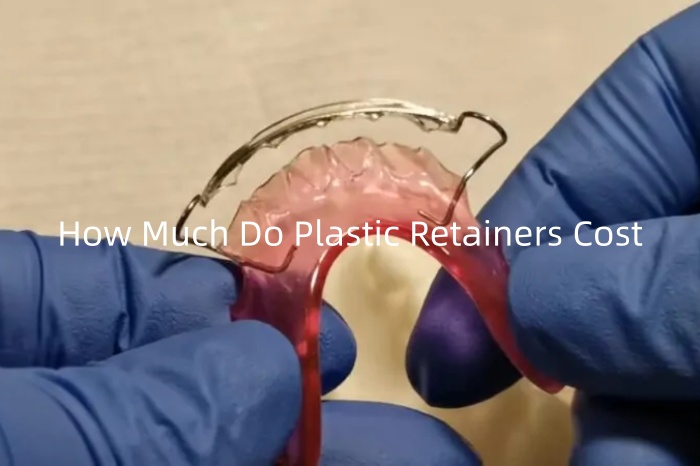
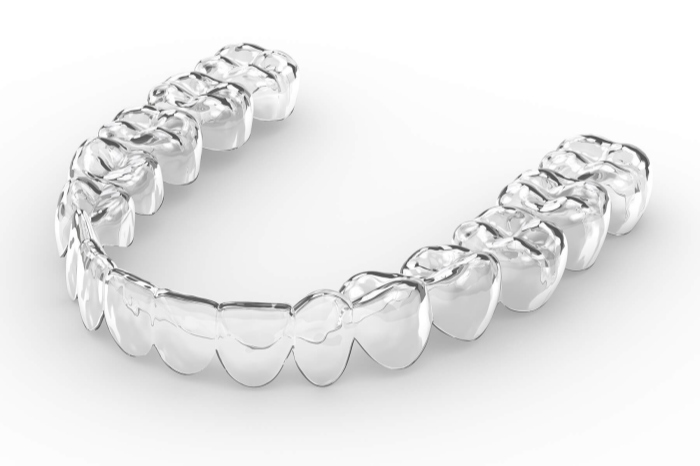
A plastic retainer is a clear, removable orthodontic appliance made from medical-grade plastic. It is custom-molded to fit a patient’s teeth perfectly, holding them in place after braces or Invisalign treatment are finished.
Clear (Essix-Style) Retainers vs. Brand Names
The Essix-style retainer is the “workhorse” of the orthodontic world. It is made by heating a thin sheet of plastic and vacuum-forming it over a 3D model of the patient’s teeth. These are popular because they are nearly invisible. Most patients prefer them over the old-fashioned wire retainers. They are usually 0.75mm to 1mm thick. This thickness is a critical balance. If it is too thin, the retainer feels flimsy. If it is too thick, the patient’s bite feels “off,” and they might stop wearing it.
Brand-Name Clear Retainers (Like Vivera)
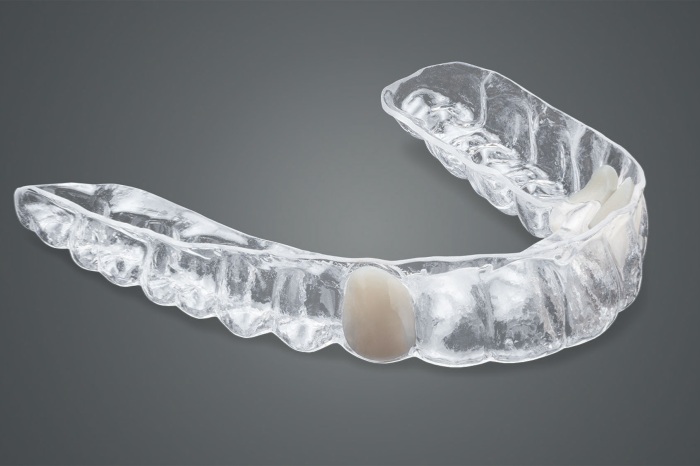
Vivera is the brand name from Align Technology (the makers of Invisalign). These are not just standard plastic. They use a proprietary thermoplastic material that is significantly stronger than standard PETG. When you buy Vivera, you usually buy a “subscription” or a multi-pack. This usually includes four sets of retainers. This is a smart business move because it ensures the patient has backups. It also increases the “Lifetime Value” (LTV) of the customer for the dental clinic.
Key Technical Specifications
From a manufacturing and procurement standpoint, the “fit” is determined by the accuracy of the mold. Modern labs use 3D printing to create the teeth models. Older labs use stone models made from gooey impressions. The 3D printing method is much more accurate and leads to fewer “re-dos.”
- Material: Usually PETG or specialized Polyurethane.
- Transparency: Must be high-clarity to stay “invisible.”
- Durability: Should last 6 to 12 months with daily wear.
- Comfort: Edges must be trimmed and polished to avoid gum irritation.
Understanding these technical details is important for B2B buyers who are choosing a lab partner. You are not just buying plastic; you are buying the precision of the fit and the durability of the material.
Average Cost of Plastic Retainers (2026 Price Guide)
Patients often feel blindsided by hidden fees after their braces come off. This lack of transparency can damage the trust between a clinic and a client, leading to bad reviews and lost referrals.
In 2025, the average cost for a single plastic retainer is $150 to $400 at a dentist’s office. Online direct-to-consumer options are cheaper, ranging from $90 to $200, though they do not include professional fitting or monitoring.
Breaking Down the 2025 Pricing Tiers
The market has split into three distinct pricing tiers. The first is the “Inclusive” tier. This is where the retainer cost is bundled into the total $3,000–$6,000 price of braces or Invisalign. For most B2B clinics, this is the best way to handle it because it avoids “nickel and diming” the patient at the very end of their journey. However, for accounting purposes, the internal cost of these retainers is usually calculated at $50–$100 per set.
The second tier is the “Replacement” tier. This is for patients who broke or lost their original set. Clinics charge more here because they have to re-scan the patient or pull up old files. This is where you see the $200 per arch price point. It covers the lab fee, the assistant’s time, and the overhead of the office.
The third tier is the “Direct-to-Consumer” (DTC) tier. Companies send an impression kit to the patient’s home. The patient bites into the putty, sends it back, and gets a retainer in the mail. While this is the cheapest ($90–$150), it lacks the supervision of a doctor. For a professional buyer, it is important to emphasize that professional retainers offer a better fit and lower risk of tooth movement.
Comparative Market Analysis
| Provider Type | Cost Per Arch | Pros | Cons |
| Private Orthodontist | $200 – $400 | Perfect fit, professional check | Highest price |
| General Dentist | $150 – $300 | Convenient, lower overhead | May lack specialist tools |
| Online Labs | $90 – $180 | Lowest cost, home delivery | Risk of bad impressions |
For a business, the profit margin on retainers is actually quite high if you use a high-efficiency lab. By ordering in bulk or using in-house 3D printers, a clinic can reduce the “per unit” cost significantly while maintaining a retail price that the market accepts.
What Factors Affect the Cost of Plastic Retainers?
Buying the cheapest retainers often leads to poor fit and tooth relapse. This creates a cycle of repeat costs for the patient and extra work for the provider, wasting time and resources for everyone involved.
The cost is mainly driven by the provider’s location, the quality of the plastic material, and the technology used for the impression. Digital 3D scanning is more expensive than traditional putty molds but provides a much better fit.
Detailed Look at Price Drivers
Location and Overhead:
If you are operating a clinic in a major city like New York or London, your overhead is much higher than in a rural area. This cost is passed on to the buyer. B2B purchasers should look for labs located in areas with lower operating costs but high quality control to get the best wholesale prices.
Professional Expertise:
An orthodontist spends years learning about occlusion (how teeth fit together). When they fit a retainer, they are checking more than just if it stays on the teeth. They are checking the bite. A general dentist might charge less, but they might not have the same level of specialized training for complex cases. This expertise adds to the “service” part of the price.
Material Science:
Not all plastics are equal. Some plastics are “dual-laminate.” This means they have a hard outer shell for durability and a soft inner lining for comfort. These materials cost more to buy at the wholesale level. As a buyer, you need to decide if your market wants “cheap and replaceable” or “expensive and comfortable.”
Manufacturing Technology:
Traditional “suck-down” machines are cheap to operate. However, high-pressure thermoforming machines provide a tighter fit. If a lab uses 3D scanning and 3D printing for the models, their equipment costs are high. This tech ensures the retainer doesn’t “rock” or feel loose.
- Digital Scans: Add $50-$100 to the process but remove the mess of putty.
- Bulk Discounts: Most labs give 10-20% off if you order more than 10 sets a month.
- Shipping: For online or remote lab services, shipping and handling can add $20 to the final cost.
By focusing on these factors, a business can optimize its supply chain. You can choose to save money on the material if your patients lose them often, or invest in better tech to reduce the number of refitting appointments.
Are Plastic Retainers Covered by Insurance?
Many patients assume their insurance will cover replacements, only to find out they have to pay hundreds out of pocket. This leads to “sticker shock” and can prevent them from getting the dental care they need.
Insurance coverage for retainers is limited. Most plans cover one set of retainers after braces as part of the “lifetime orthodontic benefit.” However, replacement retainers for lost or broken items are rarely covered by standard insurance.
Navigating Insurance and Tax-Advantaged Accounts
For the B2B side, helping patients understand their insurance is a key sales tool. Most dental insurance plans have a “Lifetime Maximum” for orthodontics. If the patient has already used this for their braces, the insurance company will likely deny any claim for a new retainer. It is important to check the specific “codes” used for billing.
FSA and HSA Eligibility:
The good news is that plastic retainers are almost always an eligible expense for Flexible Spending Accounts (FSA) and Health Savings Accounts (HSA). This is a “pre-tax” way for patients to pay. For a business, promoting the use of HSA/FSA funds is a great way to increase sales. It makes a $300 retainer feel like a $200 expense because of the tax savings.
Insurance Comparison Table
| Plan Type | Typical Coverage | Requirements |
| PPO Dental Plans | 25% – 50% | Often limited to one set per life |
| DHMO Plans | Flat fee copay | Must use “in-network” providers |
| HSA / FSA | 100% (from account) | Must have funds available in the account |
When a clinic handles the paperwork for the patient, it adds value to the service. Even if the insurance doesn’t cover the full cost, the effort of filing the claim builds loyalty. For large dental groups, having a dedicated billing specialist who knows the “retainer codes” (like D8680) can speed up payments and reduce administrative errors.
Why Are Some Plastic Retainers So Expensive?
It is hard to justify a $500 price tag for a “piece of plastic” without knowing the work behind it. Without clear value, customers will always go for the cheapest option, which might not protect their teeth properly.
The high price reflects the advanced 3D technology, lab labor, and the high-grade materials used. You are also paying for the doctor’s time to ensure the retainer fits without damaging your gums or moving your teeth in the wrong direction.
The True Cost of Production
The “piece of plastic” is only a small part of the total cost. Let’s look at the labor involved. First, a technician has to take a digital scan or a physical mold. This takes 15 to 20 minutes of professional time. Then, the mold is sent to a lab. A lab technician must “trim” the digital file or pour the plaster for a physical mold.
3D Printing and Labor:
If the lab uses 3D printing, they have to pay for the resin, the printer maintenance, and the software licenses. After the plastic is molded over the model, it must be hand-trimmed. This is the most important part. If the edges are sharp, the patient will be in pain. If it is trimmed too low, it won’t hold the teeth. This manual labor is expensive, especially in countries with high labor laws.
Quality Control:
Premium brands like Vivera have intense quality control. Every retainer is checked for thickness and clarity. They also keep your digital files on “the cloud” for years. This data storage and accessibility is a hidden cost. If you lose your retainer in two years, they can print a new one without a new scan. This “convenience fee” is built into the high initial price.
Clinic Supervision:
When you buy from an orthodontist, you are paying for a “guarantee.” If the retainer doesn’t fit after a week, they will fix it for free. An online company might just send you another one in the mail, which might still not fit. The peace of mind that comes with professional supervision is a major factor in the $400+ price point. For a B2B buyer, choosing a lab that offers a “remake guarantee” is essential to protect your own margins.
How Long Do Plastic Retainers Last?
Using a retainer for too long can be a health risk. Old plastic can harbor bacteria or lose its shape, allowing teeth to shift. This means all the money spent on braces could be wasted if the retainer fails.
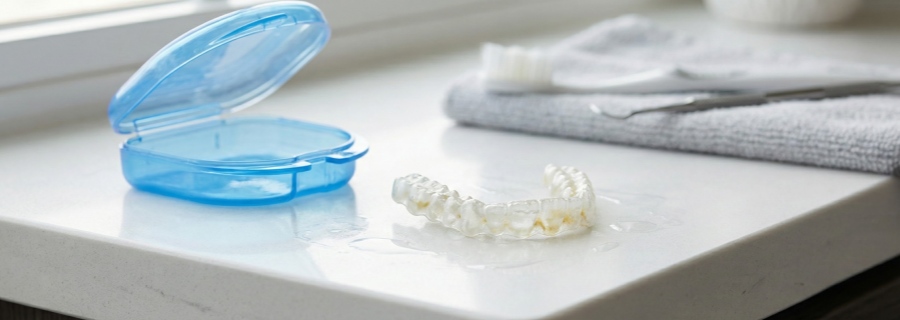
Most plastic retainers last between 6 months and 2 years. Their lifespan depends on how well they are cleaned and if the patient “grinds” their teeth at night. Once the plastic turns yellow or develops cracks, it needs to be replaced.
Maximizing the Life of the Product
From a commercial perspective, the lifespan of a retainer creates a “recurring revenue” model. Patients are not a “one and done” sale. They will need new retainers every few years for the rest of their lives.
Wear and Tear Factors:
- Bruxism (Grinding): Patients who grind their teeth will chew through a 1mm Essix retainer in less than 6 months. For these clients, a thicker plastic (1.5mm) or a different type of retainer is better.
- Cleaning Routine: Using harsh chemicals like bleach or hot water will ruin the plastic. Hot water causes the plastic to “warp,” making it useless.
- Storage: Most retainers are broken when they are left out and stepped on, or eaten by pets. Providing a sturdy case with every purchase is a simple way to increase the product’s perceived value.
Replacement Indicators
| Sign | Meaning | Action Required |
| Small Cracks | Material fatigue | Replace soon before it snaps |
| Yellowing | Bacteria buildup | Improve cleaning or replace |
| Loose Fit | Plastic has stretched | Immediate replacement to avoid shifting |
For a clinic, setting up an “automated reminder” for patients every 12 months is a great business strategy. It ensures the patient’s teeth stay straight and keeps the clinic’s lab busy. It is a win-win for both parties.
How to Save Money on Plastic Retainers?
Paying full price for a single replacement every time you lose a retainer is a massive waste of money. Many people don’t realize that buying in bulk or taking simple care steps can cut their long-term costs in half.
The best way to save money is to buy multiple sets at once, which reduces the “per-set” cost. Additionally, proper daily cleaning and keeping the retainer away from heat will prevent the need for early, expensive replacements.
Strategic Purchasing for Patients and Clinics
The Multi-Set Discount:
Most dental labs charge a lot for the first “setup” (the scan and the model). However, printing the second or third retainer from that same model is very cheap. As a provider, you should offer a “Buy One, Get One 50% Off” deal on retainers. It costs you very little extra labor but doubles your revenue from that specific patient.
In-House Production:
For large clinics or B2B groups, moving production in-house is the ultimate way to save. Buying a 3D printer and a thermoforming machine (like a Drufomat) requires an initial investment, but it drops the cost of a retainer from $50 (lab fee) to about $5 (materials). This allows you to offer more competitive pricing to your customers while increasing your profit.
Preventative Care Education:
Educating the end-user is a cost-saving measure. If the patient knows how to clean their retainer with specialized tablets rather than abrasive toothpaste, the product lasts longer. This reduces the number of “warranty” complaints that a clinic has to deal with.
- Always use a case: Never wrap it in a napkin (the #1 way they are lost).
- Cold water only: Never use the dishwasher or boiling water.
- Order “backups”: Keep one set at home and one for travel.
By implementing these strategies, buyers can significantly lower their Total Cost of Ownership (TCO) for dental retention.
Plastic Retainers vs. Other Types – Is It Worth the Cost?
Choosing the wrong type of retainer can lead to permanent tooth movement or discomfort that makes you stop wearing it altogether. You need to know if the “invisible” look of plastic is worth the lower durability compared to metal.
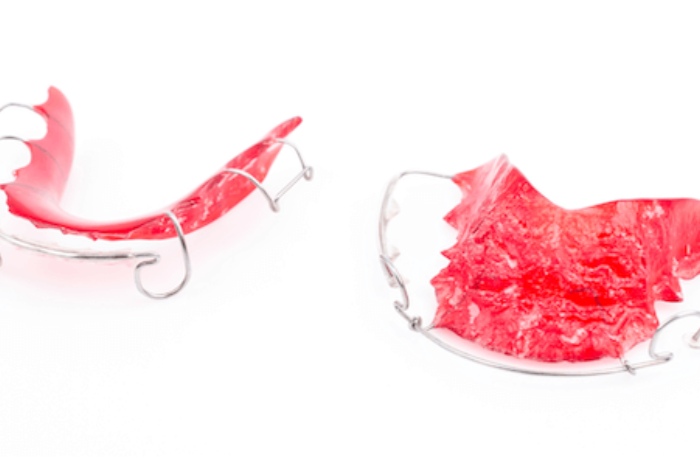
Plastic retainers are more comfortable and invisible but less durable than metal Hawley retainers. While Hawley retainers can last 10 years, plastic ones are easier to wear consistently, which is the most important factor in keeping teeth straight.
Comparison of Value and Performance
| Feature | Plastic (Essix) | Hawley (Wire/Acrylic) | Permanent (Bonded) |
| Visibility | Nearly Invisible | Visible Wire | Hidden behind teeth |
| Durability | Low (1-2 years) | High (5-10 years) | Moderate (can break) |
| Cost | $150 – $400 | $150 – $600 | $200 – $500 |
| Comfort | High | Moderate (bulky) | High (once used to it) |
The Case for Plastic:
For most B2B buyers and patients, plastic is the winner because of “compliance.” A retainer only works if the patient wears it. Because plastic retainers are thin and clear, patients are much more likely to wear them during the day. This reduces the risk of the teeth shifting, which would require $5,000 in new orthodontic work.
The Case for Hawley:
Hawley retainers are made of metal wire and thick acrylic. They are nearly indestructible. If you are a buyer for a clinic that deals with younger children who are rough on their belongings, Hawley might be the better “value” despite the higher initial cost. They can also be “adjusted” by a doctor, whereas plastic retainers cannot be changed once they are molded.
The Hybrid Approach:
Many modern clinics now suggest a “Permanent” retainer on the bottom teeth and a “Plastic” retainer on the top. This offers the best of both worlds: the security of a fixed wire and the aesthetics of a clear tray.
Conclusion
Plastic retainers usually cost $150 to $400. While cheaper options exist, investing in high-quality materials and professional fitting ensures your smile stays perfect for years to come.
You may also interested in: