Sourcing Retainer Cleaner Tablets: B2B MOQs & OEM Guide
Sourcing retainer cleaning tablets isn’t just about logging onto a wholesale directory and finding the lowest MOQ. A poorly formulated batch with the wrong pH balance can etch expensive PETG aligners, trigger patient allergies, and lead to instant Amazon account suspensions.
Whether you are launching a new private label dental brand, expanding a pharmacy retail line, or scaling an existing e-commerce empire, you need hard data. This guide bypasses the marketing fluff and breaks down the exact MOQs, chemical formulation red flags, and supply chain timelines you need to know to make profitable, risk-free purchasing decisions in 2026.
1. The Chemistry of Clean: Formulations and Ingredients
B2B buyers must look beyond basic marketing claims (“cleans in minutes!”) and understand the chemical efficacy of the tablets they source. A high-quality orthodontic tablet must perform a delicate balancing act: dissolve rapidly (under 3 minutes), eradicate 99.9% of odor-causing bacteria, and avoid degrading expensive aligner materials like PETG, PU, or TPU.
When evaluating a manufacturer’s technical capabilities, audit these core formulation components:
- Reactive Oxygen Species (ROS) Generators: Ingredients like Sodium Percarbonate are the engine of the tablet. Upon hitting the water, they release active oxygen bubbles that mechanically lift stubborn protein-based plaque from microscopic crevices.
- Biological Enzymes: Standard oxidizing agents are sometimes not enough. High-end formulations utilize protease and amylase enzymes to break down complex food particles and biofilms at a molecular level.
- The Persulfate-Free Trend: Potassium persulfate is a powerful cleaning agent, but it has been linked to allergic reactions in a small percentage of users. If you are targeting sensitive consumers, asking your lab about persulfate-free formulation alternatives is a highly lucrative Unique Selling Proposition (USP).
- pH Balancing Agents: Retainers from top brands (like Vivera or Essix) require a neutral to mildly alkaline pH environment. Citric acid and sodium bicarbonate must be perfectly balanced to prevent the water from becoming too acidic, which causes microscopic etching on clear plastic over months of use.
2. Global Compliance, Quality Control, and Certifications
In the dental care and medical device industry, regulatory compliance is non-negotiable. Importing uncertified cleaners can result in immediate customs seizures or destroyed inventory. Before signing a Contract Manufacturing Agreement (CMA), verify your factory partner holds these credentials:
- ISO 13485: The international gold standard for medical device quality management. It guarantees complete batch traceability. If a customer complains about a specific tube, an ISO-certified factory can trace that exact batch back to the raw material supplier.
- FDA Registration and EPA Rules: If importing into the U.S., your manufacturer must be FDA-registered. Depending on your marketing claims, you must verify whether your product requires EPA registration or classification as a Class I medical device.
- Automated Optical Inspection (AOI): Ask your supplier how they handle mass production defects. Top factories use automated optical sorting machines to instantly reject tablets that are chipped, broken, or discolored before they reach the packaging line.
Partnering with a facility that maintains strict QA protocols ensures you never have to deal with the fallout of a bad production run.
3. Demystifying MOQs and Custom Packaging Options
Minimum Order Quantities (MOQs) are the biggest point of friction for procurement managers. However, MOQs are rarely driven by the raw chemical powder; they are almost entirely dictated by custom packaging materials and industrial printing press setup costs.
Here is the 2026 reality of B2B packaging costs:
| Packaging Type | Best Use Case | B2B Cost & MOQ Reality |
| Foil Pouches (Individual) | E-commerce flat-pack shipping, subscription boxes, and travel kits. | 100,000+ tablets. Printing custom foil rolls requires massive industrial cylinders. |
| Plastic/Aluminum Tubes | Retail pharmacy shelves, premium brand positioning, and bulk value (30/36 count). | 10,000 – 20,000 units. The key cost driver is the minimum run for custom desiccant caps to ensure a 24-month shelf life. |
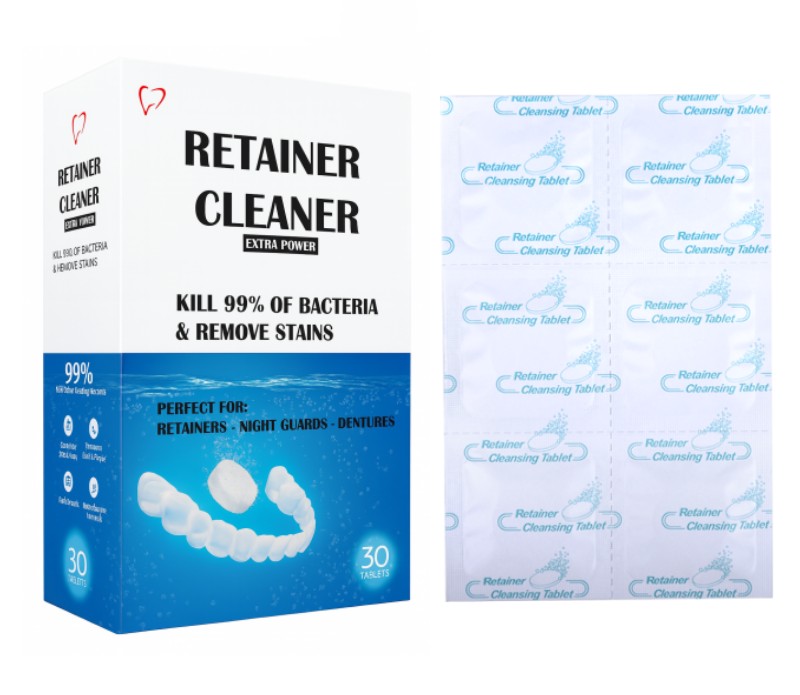
| Blister Packs | Clinical dispensing, trial packs for dentists, and high-end retail. | 30,000 – 50,000 packs. Requires creating custom mold cavities and printed foil backing. |
The Procurement Workaround: If you are a startup testing the market and cannot meet the 100,000+ tablet MOQ for custom foils, ask your manufacturer for a “White Label” solution. Purchase unprinted (silver) individual foil packets and have the factory package them into custom-printed outer cardboard boxes. Cardboard boxes have significantly lower MOQs (often around 1,000 to 5,000 boxes), drastically lowering your barrier to entry.
4. Supply Chain Stability and Lead Time Management
A cheap unit price is useless if your manufacturer stocks out during Q4 holiday spikes or Amazon Prime Day. When evaluating an OEM partner, you must assess their supply chain resilience.
- Navigating Q1 Factory Shutdowns: Every B2B buyer sourcing from Asia must plan for the Lunar New Year shutdown. Expect lead times to jump from a standard 30 days to 75+ days between late January and March. A reliable factory will force you to forecast your Q1 inventory needs in November.
- Shipping Terms and Freight Timelines: Understand the difference between FOB and EXW. For Amazon sellers, working with a factory that provides DDP (Delivered Duty Paid) shipping to FBA warehouses is a massive advantage. Plan for average DDP ocean freight to LAX to take 35-45 days, whereas air freight can expedite this to 7-10 days at a premium. If you’re forecasting your Q3/Q4 inventory, review our recent breakdown of ocean freight timelines to build a realistic procurement calendar.
5. Maximizing ROI: Business Models and Hard Math
How you structure your product offering determines your profit margins. Here is how successful brands are running the numbers in 2026:
- E-commerce Bundling Math: E-commerce brands typically source a 30-tablet tube at $0.80 – $1.20 FOB, retailing on Amazon for $14.99 – $19.99. When bundled with a $2 aligner removal tool, the perceived value jumps, often pushing the Average Order Value (AOV) past $25 and comfortably absorbing rising FBA fulfillment fees.
- Private Label for Dental Clinics: Orthodontists are ditching big-name brands. By handing patients a custom-branded retainer cleaner at the end of an Invisalign treatment, clinics create a recurring revenue stream and keep their logo in the patient’s bathroom for years. Minimum investment for a clinic white-label run often starts as low as $3,000.
Frequently Asked Procurement Questions (FAQ)
Q: How long does it take to get custom samples, and what is the cost?
- A: Standard unbranded samples (to test baseline dissolving speed and cleaning efficacy) usually ship within 3-5 days for just the cost of freight. Fully custom formulations (specific flavors, colors, or enzyme blends) take 10-14 days to develop in the lab. The R&D fee is typically credited toward your first mass production order.
Q: We want to sell on Amazon. Do you provide the necessary compliance documents?
- A: Yes. A reputable OEM will provide a Safety Data Sheet (SDS), a Certificate of Analysis (COA) for every batch, and the factory’s FDA registration number. This ensures smooth customs clearance and prevents Amazon from flagging your listing under restricted medical device policies.
Q: What is the true shelf life of retainer cleaning tablets, and how do we guarantee it?
- A: The industry standard is 24 to 36 months. However, this is entirely dependent on your packaging. Tubes with a high-quality desiccant cap or individually sealed aluminum foil pouches are mandatory. Inferior packaging allows moisture ingress, causing the effervescent ingredients to prematurely activate and ruining the batch.
Q: Can we customize the tablet color and flavor to stand out from competitors?
- A: Absolutely. While mint flavor and blue dye are standard, B2B buyers frequently request custom options—such as berry flavors for pediatric orthodontics, or clear/dye-free tablets for users sensitive to artificial colorants. Keep in mind that unique chemical adjustments may require a slightly higher MOQ.
Q: Do you handle DDP (Delivered Duty Paid) shipping directly to our 3PL or FBA warehouse?
- A: Yes, we highly recommend DDP terms for e-commerce brands. The factory’s freight forwarding partners handle customs clearance, tariffs, and final-mile delivery. This means the inventory arrives at your fulfillment center ready to sell, without you needing to manage multiple logistics vendors.
Final Thoughts for B2B Buyers
Sourcing retainer cleaning tablets is a strategic partnership. You need a manufacturer that acts as a direct extension of your brand—protecting your IP, guaranteeing zero-defect deliveries via AOI, and forecasting your Q1 inventory before you even ask. By prioritizing formula efficacy and strict compliance, you build an aligner care brand designed for long-term profitability.
You may also interested in: