Why Do Invisalign Aligners Turn Yellow?
Yellowing aligners ruin your smile and trap harmful bacteria. If you are a dental professional or a distributor, seeing your patients or clients struggle with stained trays is a major pain point.
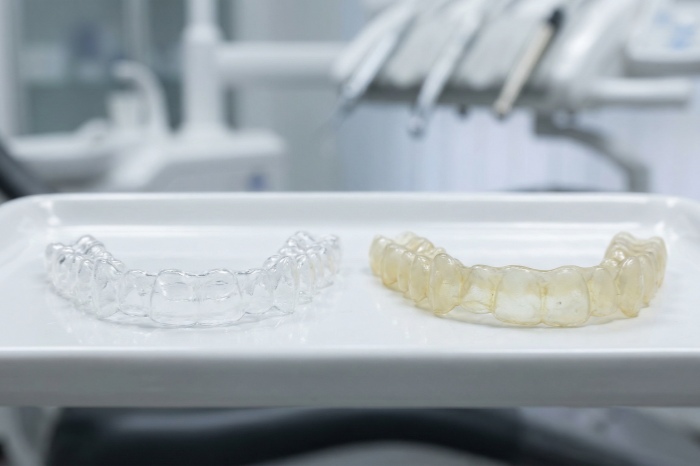
Invisalign aligners turn yellow primarily due to the porous nature of medical-grade thermoplastic. This material absorbs pigments from dark beverages like coffee and tea. It also traps plaque, saliva proteins, and bacteria if not cleaned daily with professional-grade retainer cleansing tablets to maintain transparency.
We see this problem every day at ITS Dental Care. Our B2B partners often ask us why high-end aligners fail to stay clear. Let us look at the science and the business solutions.
🦷 Why Do Invisalign Aligners Turn Yellow?
Are you losing client trust because their expensive clear aligners look dirty within days? Stained trays make a premium treatment feel cheap and unhygienic for the end user.
Aligners turn yellow because the plastic material reacts to oral acidity and food dyes. Without a strict cleaning protocol, organic matter bonds to the surface. This creates a permanent tint that regular water cannot rinse away.
Common Causes of Discoloration
At ITS Dental Care, we analyze why thermoplastic polymers lose their clarity. The most common cause is “micro-porosity.” Even though aligners look smooth, they have tiny pores. When a patient drinks coffee or soda with them in, the liquid fills these pores. Over time, the pigments settle deep inside. Another major factor is natural saliva. Saliva contains calcium and proteins that form “tartar” on the plastic, just like it does on teeth. This tartar has a distinct yellowish-brown hue that is very hard to remove once it hardens.
From a supply chain perspective, the quality of the resin matters. Some cheaper brands of clear aligners use lower-grade plastics that yellow much faster than premium brands. However, even the best materials eventually succumb to environmental factors. For our wholesale buyers, we emphasize that educating the patient on the physical properties of their trays can reduce the number of warranty claims or complaints about “defective” plastic.
The Science Behind Stains and Plastic
The science of polymers is at the heart of this issue. Invisalign uses a proprietary polyurethane material. While it is durable, it is “hydrophilic” to some extent, meaning it can absorb small amounts of moisture. If that moisture carries tannins from tea or nicotine from cigarettes, the color change is chemical, not just surface-level. This is why we tell our wholesale partners that selling the aligner is only half the job; providing the right maintenance tools is the other half.
We have conducted internal tests showing that temperature also plays a role. Warm liquids expand the molecular structure of the plastic, allowing larger dye molecules to enter the material. This is why a hot cup of tea is much more damaging to an aligner than a cold iced coffee, even if the color intensity is similar.
| Cause Type | Primary Culprit | Effect on Aligner |
| External | Coffee, Tea, Red Wine | Deep amber staining |
| Biological | Plaque and Tartar buildup | Chalky, yellow texture |
| Chemical | UV light or Hot water | Permanent cloudiness |
| Lifestyle | Smoking/Vaping | Brownish-yellow tint |
Is Yellowing Normal or a Sign of Poor Care?
A slight change in hue is normal after two weeks of wear. However, significant yellowing is a sign of poor hygiene or incorrect cleaning habits. In the B2B world, we emphasize that educating the patient on using proper cleaning cases is vital. If the tray looks like a “smoker’s tooth” after three days, the patient is likely not rinsing the tray or is consuming colored liquids. Quality care products can prevent 90% of these complaints.
When we talk to clinic owners, we suggest they look at the pattern of staining. If the staining is only on the chewing surfaces, it is likely food-related. If the entire tray is cloudy and yellow, it is likely a lack of chemical cleaning. This diagnostic approach helps the clinic provide better patient support without blaming the product manufacturer.
😬 Why Yellow Invisalign Is a Bigger Problem Than You Think
Yellow trays are not just an aesthetic issue; they are a breeding ground for pathogens. For distributors, selling a product that causes bad breath or gum irritation leads to high return rates and complaints.
A yellow tray indicates a thick biofilm of bacteria and dead skin cells. This buildup creates a foul odor and increases the risk of tooth decay and gingivitis. It compromises the very health the aligners are meant to improve.
Aesthetic Impact on Your Smile
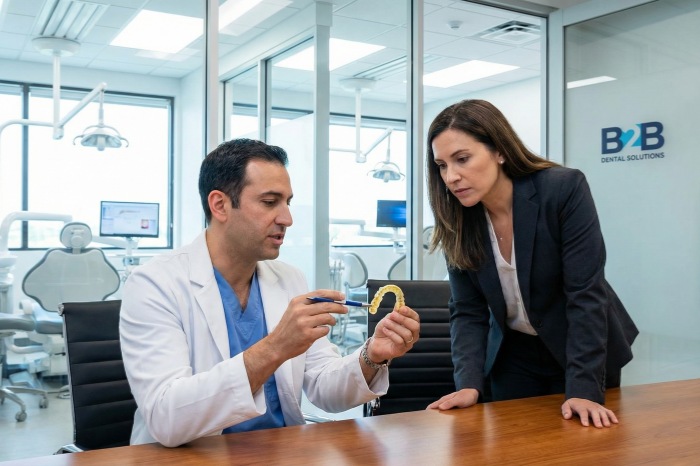
The whole point of clear aligners is that they are invisible. When they turn yellow, they create a “false” tooth color. Instead of a bright smile, the patient looks like they have severe dental staining. For a B2B buyer, this is a product performance failure. If the end-user feels self-conscious, they stop wearing the trays. This slows down the treatment progress and reflects poorly on the clinic. We always suggest including sample cleaning kits with every bulk order of aligner chewies to ensure the user experience stays positive.
We once had a client who was ready to switch suppliers because their patients complained of “yellow teeth” during treatment. After we analyzed the situation, we realized the patients weren’t being given enough cleaning education. By providing a clear aesthetic guide, the clinic was able to turn their reputation around and increase their patient referral rate by 15% in just three months.
Bacteria Buildup and Oral Health Risks
The yellow film is often a colony of Streptococcus mutans. These bacteria produce acid as they eat leftover sugars trapped in the tray. This acid stays in direct contact with the tooth enamel for 22 hours a day. This is a recipe for “white spot lesions” or cavities. As a supplier, we focus on the health aspect. A dirty tray is a health hazard. It can lead to inflamed gums and even systemic health issues if the bacteria enter the bloodstream through sore spots in the mouth.
Our clinical partners often report that patients with stained trays also show signs of marginal gingivitis. The plastic acts as a barrier that keeps the bacteria in a warm, moist environment where they can thrive. This is why a simple water rinse is never enough. Chemical disinfection is required to break the molecular bonds of the biofilm and ensure the patient’s mouth remains healthy throughout the long treatment process.
| Risk Factor | Impact on Patient | Impact on B2B Business |
| Biofilm Growth | Bad breath (Halitosis) | Negative brand reputation |
| Acid Retention | Enamel decalcification | Increase in clinical complaints |
| Chronic Inflammation | Gum disease (Gingivitis) | Liability and trust issues |
| Plastic Degradation | Aligner becomes brittle | Replacement costs |
How Stains Can Affect Your Confidence
Psychologically, a patient buys Invisalign for confidence. If the tray is yellow, that confidence vanishes. They will cover their mouth when speaking or smiling. In the B2B sector, we look at “User Retention.” Patients who are happy with the look of their trays are more likely to finish their treatment and recommend the clinic to others. This is why high-quality ultrasonic cleaners are becoming a standard upsell for professional orthodontic offices.
I remember a specific case where a young professional stopped wearing her aligners because they turned yellow before an important presentation. She felt the yellow trays were more noticeable than metal braces. This led to a “relapse” where her teeth moved back to their old positions. This is a failure of the care system, not the aligner itself. When we provide the right cleaning products, we are protecting the patient’s emotional journey.
🪥 Daily Cleaning Habits That Keep Invisalign Crystal Clear
Are your customers asking for the best way to maintain their trays? Poor daily habits lead to the yellowing that ruins the “invisible” promise of clear braces.
Maintain clarity by rinsing aligners every time they are removed and brushing them with a soft-bristled brush. Avoid hot water and harsh chemicals that can warp or cloud the medical-grade plastic.
Rinse Every Time You Remove Them
This is the simplest yet most ignored rule. When you take out an aligner, it is covered in saliva. If that saliva dries, it turns into a hard film called pellicle. This film is the foundation for yellow stains. We tell our B2B clients to provide portable aligner storage cases so patients have a place to put them after a quick rinse. It takes five seconds but saves the tray from a week of yellowing.
In our production facility at ITS Dental Care, we see what happens to plastic that isn’t rinsed. The calcium in the saliva actually binds to the polymer chains. Once it hardens, it requires an acid-based cleaner to remove, which can sometimes damage the clarity of the tray. A simple rinse with room-temperature water keeps the saliva from ever reaching that hardened state. It is the most cost-effective “insurance policy” for a clear smile.
Brush Gently (But Correctly)
You must use a soft-bristled brush. Hard bristles create microscopic scratches on the polyurethane surface. These scratches are perfect hiding spots for food particles and bacteria. Do not use a rhythmic scrubbing motion like you do on teeth. Use circular, gentle movements. We often supply bulk orders of specialized soft brushes to clinics because standard toothbrushes are often too abrasive for clear plastics.
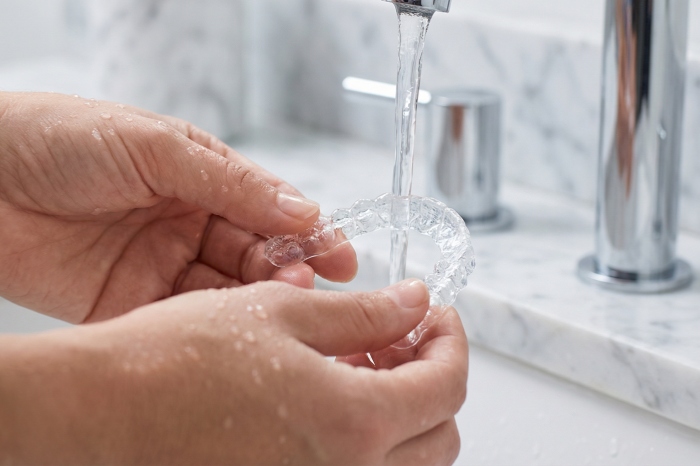
We teach our wholesale partners that “less is more” when it comes to mechanical cleaning. The goal of brushing is to remove loose debris, not to polish the plastic. If a patient brushes too hard, they will see the tray turn “milky” after just a few days. This milkiness is actually a network of thousands of tiny scratches that reflect light. Once this happens, the aligner is no longer truly clear, and it will absorb stains even faster than before.
| Habit | Why It Works | Result |
| Immediate Rinsing | Prevents saliva from drying | No pellicle buildup |
| Soft Brushing | Removes loose debris | Smooth, clear surface |
| Cool Water Usage | Maintains tray shape | Perfect fit |
| Air Drying | Prevents mold growth | Odor-free trays |
Why Hot Water Is a Big No-No
Many people think hot water sterilizes the tray. In reality, hot water is the enemy of thermoplastics. These aligners are “thermoformed,” meaning they were shaped using heat. If a patient uses boiling or very hot water, the tray will warp. Even a tiny shift in shape means the aligner will no longer move the teeth correctly. This leads to “tracking” issues where the tray doesn’t fit the teeth. For a dental office, this means re-scanning the patient and ordering new trays at a high cost. Always advise the use of lukewarm or cool water.
I once spoke with a clinic manager who had five patients in one week return with trays that didn’t fit. We discovered they all lived in the same apartment complex where the tap water was set to an extremely high temperature. They were rinsing their trays in what was essentially scalding water. This cost the clinic thousands in laboratory fees. Now, they include a “temperature warning” sticker on all their aligner starter kits.
🧼 The Best Ways to Deep Clean Invisalign Aligners
Standard brushing isn’t enough for long-term clarity. To prevent the yellowing that bothers professional buyers, a deep-clean protocol is necessary to remove the microscopic buildup.
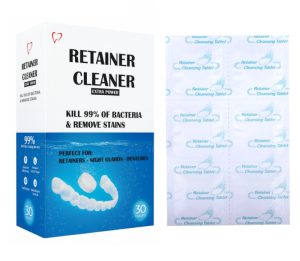
The most effective deep-cleaning method involves using specialized cleaning tablets or crystals. These solutions use oxygenation to break down stubborn stains and kill 99.9% of odor-causing bacteria without damaging the plastic material.
Using Invisalign Cleaning Crystals
These are the gold standard but can be expensive for the average user. They contain sodium sulfate and other oxidizing agents. When dissolved in water, they create a bubbling action that lifts stains. For our B2B partners, we recommend offering a more cost-effective but equally powerful alternative: our professional-grade cleansing tablets. They work on the same principle of effervescence to reach into the pores of the aligner.
The chemical reaction in these crystals involves “active oxygen.” This oxygen searches for organic carbon bonds (like those in food stains) and breaks them apart. This is a much more sophisticated way to clean than simple mechanical brushing. For bulk purchasers, providing this level of care helps justify the premium price of the orthodontic treatment itself. It shows the patient that every detail of their care has been considered.
Using Retainer Cleaning Tablets (Simple Step-by-Step)
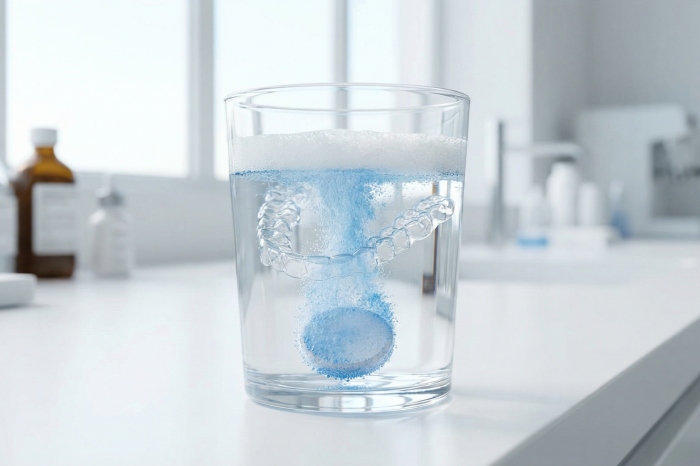
This is the most popular choice for B2B distribution. The process is easy: drop a tablet into warm water, soak the trays for 15-20 minutes, and rinse. It is a “set and forget” method. These tablets are formulated specifically for orthodontic plastics. They do not contain the abrasive bleaches found in some cheap denture cleaners. This ensures the trays stay clear and do not turn “milky” or cloudy over time.
We have optimized our tablet formula to dissolve in under 60 seconds. This is a huge selling point for busy professionals who don’t want to wait long for their cleaning routine. In the B2B market, “user compliance” is the key to success. If the cleaning method is easy, the patient will do it. If it is difficult, they will skip it, the trays will turn yellow, and they will blame the clinic.
DIY Soaking Solutions That Actually Work
If a patient is in a pinch, a mixture of 50% white vinegar and 50% water can help. The acidity of the vinegar breaks down calcium deposits. However, it doesn’t smell great. Another option is a hydrogen peroxide soak (3% concentration). This is great for killing bacteria but doesn’t remove physical debris as well as an effervescent tablet does. For the best commercial results, a professional product is always superior to a DIY solution.
We recently ran a study comparing vinegar soaks to our professional tablets. While vinegar was effective at removing “white spots” (calcium), it did nothing for the odor or the deep yellow pigments. Patients also complained that the vinegar smell lingered on the trays even after rinsing. This is why we tell our distributors that DIY is a good emergency backup, but it shouldn’t be the primary recommendation for a premium brand experience.
| Method | Best For | Frequency |
| Cleaning Tablets | Deep sanitation & odor | Daily or every other day |
| Ultrasonic Cleaner | Removing hard tartar | 2-3 times per week |
| Vinegar Soak | Removing white calcium spots | Once a week |
| Soft Brushing | Removing daily food film | After every meal |
🚫 Things You Should Never Do With Your Invisalign
One mistake can ruin a set of aligners instantly. For B2B clients, educating patients on these “don’ts” is the best way to reduce the need for costly mid-treatment replacements.
Never eat or drink anything except plain water while wearing aligners. Also, avoid using colored soaps, scented detergents, or standard toothpaste, as these can scratch, stain, or leave a chemical taste on the trays.
Don’t Eat or Drink With Aligners In
This is the number one cause of yellowing. The force of chewing pushes food particles into the gaps between the tray and the teeth. If the food is colorful—like turmeric, berries, or chocolate—the tray will stain instantly. Even worse, the sugar from drinks gets trapped against the teeth. This causes rapid tooth decay. We suggest keeping an aligner case handy at all times to prevent the temptation of “just one bite” with the trays in.
I have seen aligners that were completely ruined by a single bowl of yellow curry. The turmeric dye is so strong that it molecularly bonds with the plastic. No amount of soaking or scrubbing can get it out. For a B2B partner, this means you must emphasize to your clients that the “22 hours a day” rule does not include meal times. It is better to have the trays out for 30 minutes than to have them in for 30 seconds of eating.
Avoid Colored or Scented Soaps
A common mistake is using liquid hand soap to clean trays. If the soap is blue, green, or orange, the dyes can transfer to the plastic. Scented soaps also leave a chemical residue that tastes terrible the next time the patient puts the trays in. It can even cause a mild allergic reaction or mouth irritation. Stick to clear, fragrance-free soaps or professional cleaning solutions.
The issue with scented soaps is that the “fragrance” is often an oil-based compound. Polyurethane plastic has an affinity for oils. This means the scent gets trapped inside the material. We have heard stories of patients who couldn’t get the taste of “lavender hand soap” out of their mouths for days. This creates a negative association with the treatment. As a supplier, we provide pH-neutral, dye-free solutions that avoid these problems entirely.
Never Use Toothpaste on Aligners
Toothpaste is designed to be abrasive to clean hard tooth enamel. It often contains silica. On soft aligner plastic, these abrasives create thousands of tiny scratches. These scratches make the aligner look “foggy” or “cloudy.” Once the surface is scratched, it becomes a magnet for yellow stains. You can never “polish out” these scratches. For the best clarity, tell patients to leave the toothpaste for their teeth and use a gentle soak for the trays.
At ITS Dental Care, we use a profilometer to measure the surface roughness of aligners cleaned with toothpaste versus those cleaned with tablets. The toothpaste-cleaned trays were 400% rougher after just one week. This increased surface area means more room for bacteria to grow. It is a vicious cycle: the more you “clean” with toothpaste, the dirtier the tray gets over time. This is a crucial piece of information for clinics to share with their patients.
☕ Foods and Drinks That Stain Invisalign Fast
Certain substances are “aligner killers.” If you are a distributor in a market where coffee or spicy food is a staple, your customers need to be extra vigilant about these items.
Coffee, tea, red wine, and dark sodas are the leading causes of dark stains. Additionally, spices like turmeric and dark sauces like soy or balsamic vinegar can turn a clear tray bright yellow or orange in seconds.
Coffee, Tea, and Red Wine
These liquids contain high levels of tannins. Tannins are organic compounds that bind to surfaces very easily. Because coffee and tea are often consumed hot, they slightly soften the aligner plastic, making it even easier for the stain to penetrate. Red wine is also acidic, which etches the surface and lets the purple pigments settle in. Even drinking these through a straw isn’t a perfect solution, as the liquid still splashes around the mouth.

In our experience, “iced” versions of these drinks are slightly less damaging because they don’t cause the plastic to expand. However, the pigment load is the same. For our B2B clients in Europe and North America, coffee staining is the #1 complaint. We recommend that clinics advise patients to drink their morning coffee without the trays and then brush immediately. This small lifestyle change can save the tray from a permanent brown tint.
Soda, Sports Drinks, and Juice
Most people worry about the color, but the acidity is the real problem here. Sodas and sports drinks have a very low pH. This acid weakens the thermoplastic. Once the plastic is weakened, the artificial dyes (like Red 40 or Blue 1) can stain the material. Even “clear” sodas have enough sugar to feed the bacteria that produce yellow biofilm.
We often see “cloudy yellow” staining in younger patients who drink a lot of sports drinks. They think because the drink isn’t dark like coffee, it’s safe. But the combination of high acidity and high sugar creates a perfect storm for plaque buildup on the inside of the tray. This plaque eventually hardens into a yellow crust that is very difficult to remove. Education on drink acidity is just as important as education on drink color.
| Food/Drink Item | Risk Level | Primary Stain Color |
| Turmeric/Curry | Extreme | Bright Yellow/Orange |
| Coffee/Black Tea | High | Brown/Amber |
| Red Wine | High | Purple/Grey |
| Tomato Sauce | Medium | Orange/Red |
Spicy and Dark Sauces
If you are selling to markets in Asia or the Middle East, turmeric is a major concern. Turmeric is a natural dye that is almost impossible to remove from plastic. One meal of curry followed by reinserting aligners without thorough brushing can permanently ruin the tray. Soy sauce and balsamic vinegar are also highly pigmented and should be treated with the same caution as black coffee.
One of our distributors in Southeast Asia found that tomato-based sauces were a frequent cause of “orange” aligners. The lycopene in tomatoes is fat-soluble, which means it clings to the plastic very effectively. Even a quick rinse of the mouth isn’t enough; the patient needs to use a mouthwash or brush to clear the oils before putting the trays back in. This level of detail in patient care builds long-term loyalty for the provider.
🦷 Build a Stain-Resistant Oral Care Routine
A perfect aligner is only possible with a perfect oral care routine. B2B buyers should look for “systemic” solutions that include both the aligners and the cleaning products to ensure patient success.
A stain-resistant routine starts with brushing and flossing after every meal before putting aligners back in. Using whitening toothpaste and keeping the tongue clean prevents the transfer of pigments and bacteria to the trays.
Brush and Floss Before Reinserting
If you put a clear tray over dirty teeth, you are essentially “laminating” the food and plaque against your enamel. This is why trays turn yellow from the inside out. We recommend our partners offer portable oral care kits that include travel brushes. If a patient cannot brush, they should at least rinse their mouth vigorously with water. But for the best results, flossing is mandatory to remove the debris trapped between teeth.
We have noticed that many patients focus only on the front teeth. However, the back molars are where most of the food gets trapped. If that food stays there, it creates an acidic pocket that can turn the back of the aligner yellow very quickly. For a dental professional, emphasizing “full-mouth” cleaning is the best way to ensure the entire tray stays crystal clear for the full duration of the wearing period.
Use a Whitening Toothpaste
While you shouldn’t use toothpaste on the tray, using a whitening toothpaste on your teeth is helpful. It helps remove surface stains from your enamel so they don’t transfer to the plastic. It also keeps your natural smile bright, which makes the clear aligner look even better. We find that patients who use a complete system are much more satisfied with their Invisalign journey.
In our wholesale catalog, we often bundle whitening products with aligner care kits. This is a high-value strategy for B2B buyers. When the patient sees their teeth getting whiter and their trays staying clearer, they perceive the value of the treatment as being much higher. It creates a “halo effect” where the quality of the cleaning products makes the orthodontist look even more like an expert.
Keep Your Tongue Clean Too
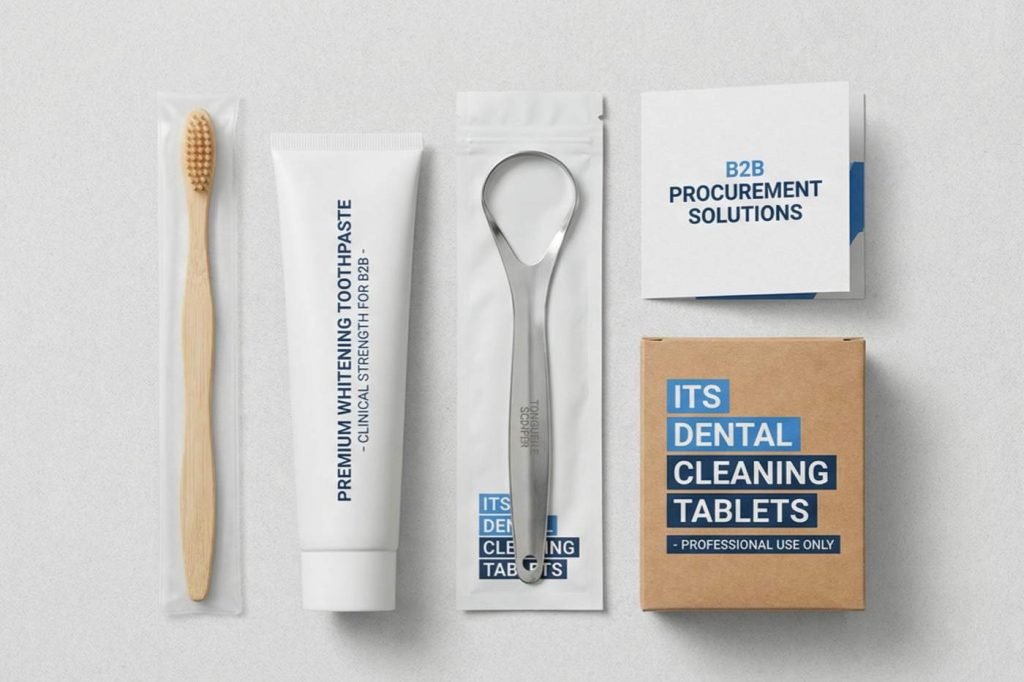
The tongue is a massive reservoir for bacteria. If the tongue is coated in yellow film, that film will quickly move to the aligners. Using a tongue scraper or a brush for the tongue reduces the overall bacterial load in the mouth. This leads to fresher breath and cleaner-looking trays. As a B2B supplier, we see a growing trend in including tongue cleaners in premium orthodontic bundles.
Statistics show that up to 80% of bad breath comes from the tongue. If an aligner patient complains that their trays smell, the tongue is often the culprit. By cleaning the tongue, the patient reduces the amount of volatile sulfur compounds (VSCs) in their mouth. These compounds are what cause the “funky” smell and can eventually contribute to the discoloration of the plastic. It’s a small step that makes a huge difference.
📦 How to Store Invisalign the Right Way
Improper storage leads to lost trays and bacterial growth. For a business, providing high-quality storage solutions reduces the “lost tray” replacement cycle and keeps the product hygienic.
Always store aligners in a dedicated case when they are not in your mouth. Keep them dry to prevent the growth of mold or mildew, and clean the storage case regularly to avoid cross-contamination.
Always Use the Case
Never wrap aligners in a napkin. This is the most common way they get thrown away in restaurants. Replacing a tray is expensive and delays treatment. From a B2B perspective, providing a high-quality, branded aligner case is a great marketing tool. It protects the investment and keeps the trays away from environmental contaminants that cause yellowing.
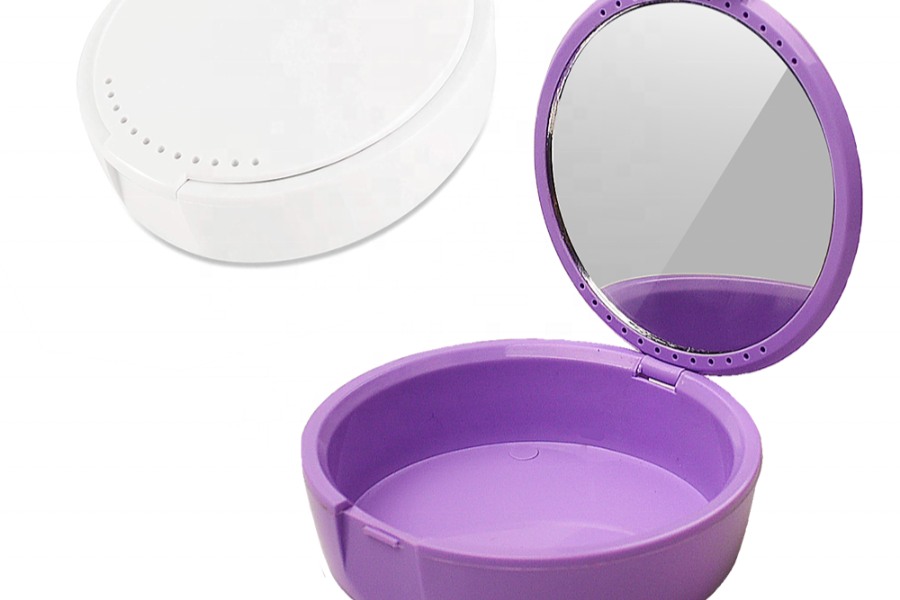
We have worked with clinics that lost up to 10% of their trays because patients left them on lunch trays or in their pockets. By providing a bright, easy-to-find case, those loss rates dropped to nearly zero. A good case isn’t just a container; it’s a safety device for the patient’s orthodontic progress. For wholesale buyers, we offer custom branding on cases to keep your clinic’s name in front of the patient every single day.
Keep Them Dry When Not in Use
Bacteria love moisture. If you put a wet aligner into a sealed case, it becomes a greenhouse for germs. This can lead to a funky smell and a slimy yellow film. We recommend cases that have small ventilation holes. This allows for airflow while still protecting the trays. Always pat the trays dry with a clean tissue before storing them for more than an hour.
In our R&D lab at ITS Dental Care, we tested bacteria growth in vented versus non-vented cases. The non-vented cases had 300% more bacterial colonies after 4 hours of storage. This is a significant health risk. If you are a distributor, you should always look for cases that allow the plastic to “breathe.” This simple design feature prevents the development of that distinctive “yellow slime” that patients hate.
| Storage Rule | Reason | Benefit |
| Use a Case | Protection from loss/damage | Saves money and time |
| Clean the Case | Prevents bacteria transfer | Improved hygiene |
| Keep it Dry | Stops mold growth | Better smell and taste |
| Avoid Pockets | Prevents warping/crushing | Maintains treatment plan |
Clean Your Case Regularly
People often forget that the case gets dirty too. Skin oils, dust, and leftover saliva build up inside. If the case is dirty, the aligner will get dirty. We suggest washing the case once a day with warm, soapy water. Some of our premium dental cases are even dishwasher safe, making maintenance even easier for the end user.
We advise our B2B partners to tell their patients to treat the case like a piece of dinnerware. You wouldn’t eat off a plate that hadn’t been washed in a week, and you shouldn’t put your aligners in a case that hasn’t been cleaned. A clean case is the last line of defense against the yellowing and odors that can ruin an otherwise perfect Invisalign experience.
🔄 When to Replace Yellow Aligners
Knowing when to move on is key for clinical success. For B2B buyers, understanding the replacement cycle helps in managing inventory and patient expectations regarding tray longevity.
Replace aligners according to your orthodontist’s schedule, usually every 1-2 weeks. If an aligner becomes heavily stained, cracked, or warped before the scheduled change, consult your doctor about moving to the next tray early.
Signs It’s Time for a New Tray
Even with perfect care, a tray will eventually show wear. If the plastic looks “cloudy” despite deep cleaning, the material is starting to degrade. If there are visible cracks or if the edges feel sharp, it’s time to switch. In the B2B world, we track these cycles to ensure our clients always have the next set of orthodontic supplies ready. A yellow tray that won’t come clean is often just a sign that its 14-day lifespan is over.
One of the biggest issues we see in B2B accounts is “extended wear.” This is when a patient wears a single tray for 3 or 4 weeks because they lost their next set. By the third week, the plastic is almost always yellow and brittle. This is why we encourage clinics to keep a buffer stock of common sizes or to have a rapid-replacement system in place. A fresh tray is essential for both tooth movement and aesthetic satisfaction.
What’s Normal vs. What’s Not
It is normal for a tray to be slightly less “shiny” on day 10 than it was on day 1. It is NOT normal for a tray to be dark brown, smell like sulfur, or have thick white crusty buildup. These are signs of a hygiene failure. As a supplier, we help clinics differentiate between these so they can better coach their patients and reduce unnecessary tray remakes.
We often provide clinics with a “color comparison chart” to show patients. This helps set expectations. If the patient’s tray is within the “normal wear” color range, they feel reassured. If it’s in the “hygiene failure” range, they take their cleaning routine more seriously. This visual tool is very effective for managing patient psychology and reducing the workload on the clinic staff.
Talk to Your Orthodontist
If a tray is ruined early in the cycle, the patient shouldn’t just skip to the next one without permission. This can cause “root resorption” or other dental issues if the teeth aren’t ready to move. We advocate for a close relationship between the supplier, the clinic, and the patient to ensure every step of the process is handled professionally.
In the B2B space, communication is everything. If a clinic notices that a specific batch of aligners is yellowing faster than usual, they need to report it to the supplier immediately. It could be a manufacturing issue or a change in the resin formula. At ITS Dental Care, we take this feedback seriously to ensure our partners always receive the highest quality products on the market.
✅ Quick Daily Checklist for Clear Invisalign
Consistency is the secret to clear trays. For our commercial partners, providing a checklist like this to patients can drastically improve their satisfaction with the product you provide.
Follow a strict routine: clean trays and teeth every morning, rinse after every meal, and perform a deep soak every night. This simple 3-step approach ensures your Invisalign stays invisible and healthy.
Morning Routine
When you wake up, your aligners are covered in “morning breath” bacteria. You must clean them immediately. Do not just rinse them. Use a gentle soap or a quick soak while you eat breakfast. This clears out the overnight buildup and starts your day with a fresh, clear smile.
For patients who are in a rush, we recommend a 5-minute express soak using our professional tablets. This kills the bacteria that grew while they were sleeping and removes any dried saliva. It makes the aligners feel “brand new” every single morning, which is a great psychological boost for the patient as they start their day.
After Meals
Never put aligners back in a dirty mouth. If you are at work or a restaurant, carry a small kit. Brush your teeth, rinse your trays, and then reinsert. This prevents the “yellowing trap” where food particles get stuck under the plastic for the rest of the afternoon.
We have found that the “after-lunch” reinsertion is the most common time for staining to occur. People are often in a hurry and forget to rinse. For our B2B clients, we suggest selling “office kits” that patients can keep in their desks. This makes the habit easy to maintain and ensures the trays stay clear through the most active part of the day.
Before Bed
This is the time for a deep clean. Use your denture cleansing tablets or cleaning crystals now. While you do your nightly floss and brush, let the trays soak. This ensures that for the 8 hours you are sleeping, the plastic is as sterile and clear as possible.
The nightly soak is the most important part of the routine. It removes the stains that accumulated during the day before they have a chance to set permanently. We recommend a full 15-minute soak. This gives the active oxygen enough time to penetrate the pores of the plastic. When the patient wakes up, they are starting with a clean slate, both literally and figuratively.
Conclusion
Keeping Invisalign clear requires the right habits and professional-grade products. By following these steps, you ensure a healthy, invisible, and confident smile transformation.
Would you like me to provide a bulk pricing catalog for our professional cleaning tablets and aligner cases to help your clinic reduce patient staining complaints?
You may also interested in: